
The Cost of Public Fame
Lessons in ChemistryThis thread follows Elizabeth’s movement from public visibility to a distorted celebrity image that threatens her family, then toward a more deliberate return to scientific work.
increasing Bearing strength in each event
 decreasing
Bearing strength in each eventdecreasingA Local Broadcast
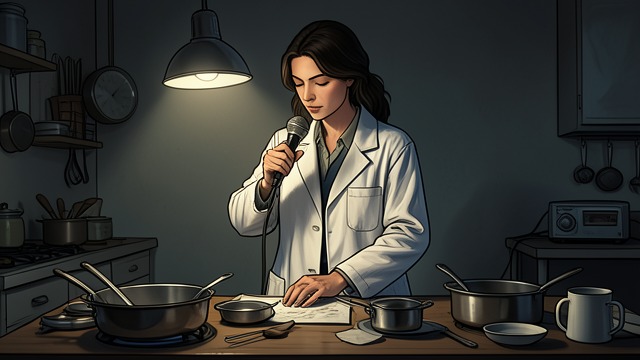
A Local Broadcast
A Public Role
Elizabeth accepts television work for the income, not celebrity. She sees herself as a chemist using cooking to explain chemistry.
An Unwanted Spotlight
The program turns her into a public figure whose appearance and private life attract attention. She is wary of publicity even as her audience grows.
The Family Tree Goes Public
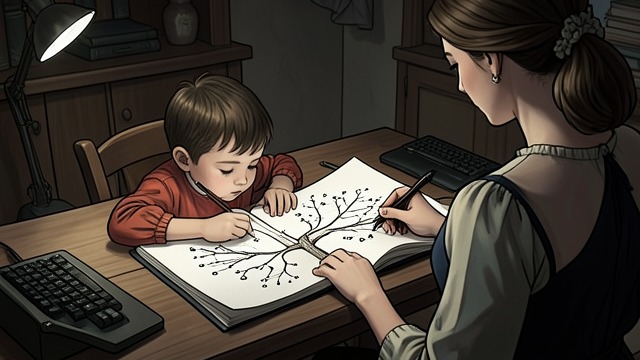
The Family Tree Goes Public
A Child’s Private Work
Madeline’s family tree combines facts, questions, and imaginative connections. Mrs. Mudford gives the material to Life magazine, where it becomes a source of gossip.
Privacy Lost
Readers misinterpret Madeline’s drawing and infer a relationship between Elizabeth and Walter. The child’s attempt to understand family is turned into public entertainment.
The Cover Story’s Damage
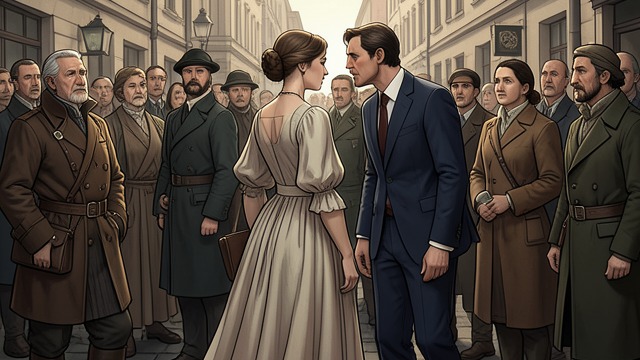
The Cover Story’s Damage
A Career Reduced
The magazine presents Elizabeth as attractive rather than intelligent and includes damaging quotes from Dr. Meyers, Dr. Donatti, and Mrs. Mudford. Her scientific work is displaced by a story about her private life.
A Daughter Blames Herself
Madeline reads the article and believes her own actions have harmed her mother. Elizabeth refuses to blame her, but the damage to both their sense of safety is real.
The Truth Withheld
The Truth Withheld
A Reporter Crosses a Line
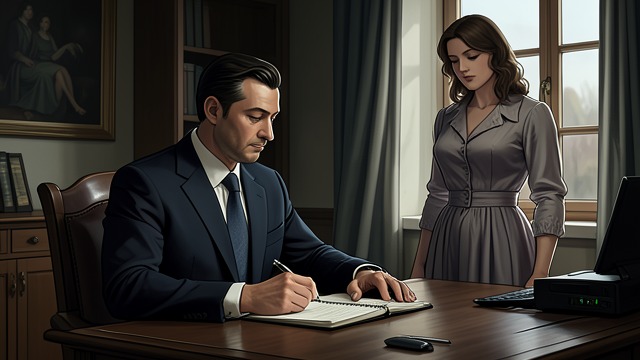
Roth asks about Calvin despite being warned away from Elizabeth’s private history. Elizabeth eventually tells him about her life, including experiences she has rarely shared.
A Choice About Reporting
Roth decides not to expose the intimate details. His published cover story nevertheless distorts her image through editorial choices, demonstrating that restraint by one reporter cannot control a magazine’s framing.
A Better Story Circulates
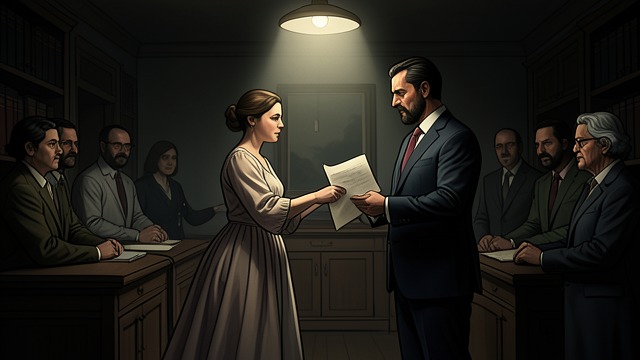
A Better Story Circulates
A Correction from Within
Miss Frask writes to Life magazine, admitting her role in Elizabeth’s treatment at Hastings and documenting Donatti’s misconduct. The letter gives readers a counter-narrative from someone who witnessed the institution.
Recognition Remains Complicated
The article’s false portrait still harms Elizabeth, while a later scientific feature offers a more truthful account. Public attention helps expose injustice but cannot substitute for the research career she wants.
At the beginning of Supper at Six
After Madeline’s school assignment
After Life magazine publishes its profile
During Roth’s interview with Elizabeth
After Miss Frask’s letter appears in Life
